Accelerating Fat Loss: Effective Strategies Backed by Science
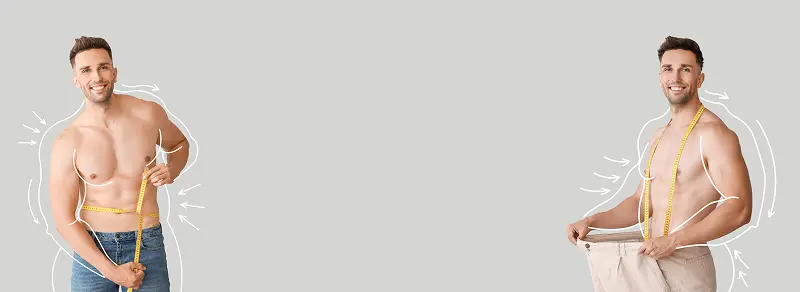
In the world of metabolic optimization, speed is often the enemy of quality. While it is possible to drop weight quickly through extreme caloric restriction, doing so often results in the loss of structural muscle and a suppressed metabolic rate. To truly "accelerate" fat loss, you must focus on fat oxidation—the process of breaking down stored fat for fuel—while protecting your metabolic engine.
The Direct Answer: Science-backed fat loss acceleration is achieved through a "Triple-Threat" approach: maintaining a moderate caloric deficit (20-25% below maintenance), prioritizing Protein Anchoring to protect muscle, and increasing NEAT (Non-Exercise Activity Thermogenesis). When combined with the hormonal advantages of a GLP-1, these strategies shift the body’s primary fuel source from glucose to stored adipose tissue.
The Science: The Lipolysis-Oxidation Pathway
Fat loss happens in two distinct stages. First is lipolysis, where fat cells release stored energy into the bloodstream. Second is oxidation, where your mitochondria actually "burn" that energy for fuel.
GLP-1 medications excel at the first stage by lowering insulin—the "storage hormone." When insulin is low, the gates to your fat cells open. However, the second stage (oxidation) requires a demand for energy. If you are sedentary, that released fat may simply be re-stored. To accelerate the process, you must create a consistent biological demand through movement and thermogenesis.
Key Components: The Accelerators
To move from "standard" weight loss to "accelerated" fat loss, implement these three pillars:
- High-Intensity Resistance Training (HIRT): Lifting heavy weights creates "metabolic stress" and micro-trauma in the muscle. The energy required to repair these tissues—known as EPOC (Excess Post-exercise Oxygen Consumption)—keeps your fat-burning furnace running for up to 48 hours after you leave the gym.
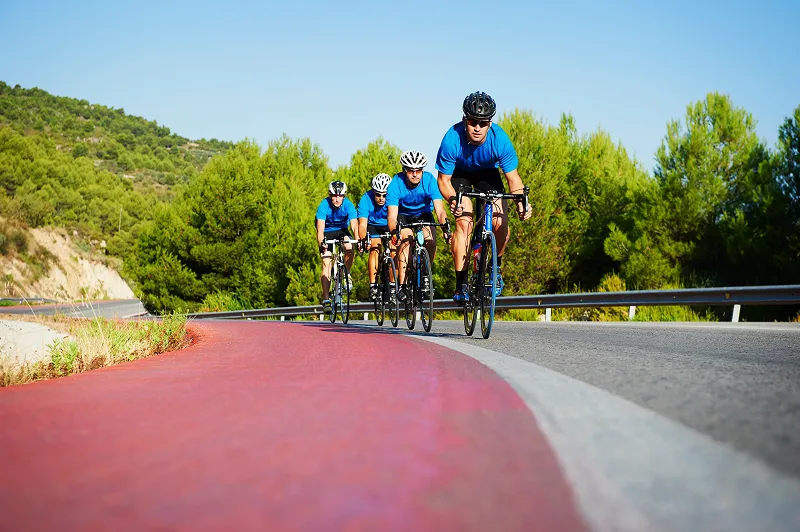
- The "Zone 2" Advantage: While high intensity is great for the "afterburn," low-intensity steady-state cardio (Zone 2) is the most efficient way to oxidize fat during the session. Aim for 150 minutes a week where you can still hold a conversation but are breathing heavily.
- Fiber-Protein Synergy: High fiber (from cruciferous vegetables) combined with high protein creates a massive Thermic Effect of Food (TEF). Your body burns significantly more calories just trying to break down these complex structures than it does processing simple carbs or fats.
Dietary and Lifestyle Foundations: The "Fat-First" Protocol
Acceleration isn't just about doing more; it’s about doing the right things at the right time.
- Cold Exposure: Brief exposure to cold (cold showers or ice baths) can activate Brown Adipose Tissue (BAT). Unlike standard white fat, brown fat burns calories to generate heat, providing a direct boost to your daily energy expenditure.
- Strategic Fasting: Since GLP-1s already mimic the effects of fasting by lowering insulin, a modest 16:8 intermittent fasting window can further sensitize your body to fat-burning hormones, especially in the morning hours.
- Stress Management (Cortisol Control): High cortisol levels signal the body to hold onto visceral (belly) fat. If you are over-caffeinated and under-slept, your fat loss will stall regardless of your deficit. Prioritize 7+ hours of sleep to keep your hormones in a "burn" state.
Red Flags: When Acceleration Becomes Exhaustion
If you push too hard, your body will fight back. Watch for:
- The "Crash" Feeling: Intense lethargy in the afternoon, suggesting your blood sugar is dropping too low or your thyroid is down-regulating.
- Loss of Vascularity: If your muscles look "flat" or soft, you are likely losing glycogen and muscle tissue rather than fat.
- Increased Irritability: A sign of central nervous system fatigue, often caused by too much high-intensity cardio on a low-calorie diet.
FAQ Section
Does caffeine accelerate fat loss? Yes, but the effect is modest. Caffeine increases lipolysis (releasing fat), but if you don't follow it up with movement, that fat is often just re-absorbed. Use caffeine as a pre-workout tool, not a standalone "fat burner."
Can I target "belly fat" specifically? "Spot reduction" is a myth. However, because GLP-1s are highly effective at lowering systemic inflammation and insulin, many men notice that visceral fat (the dangerous fat around the organs) is often the first to go.
.webp)


Cut 15% of body weight - Lose the fat. Keep the muscle.