Daily Fiber Requirements for Patients on GLP-1 Medications
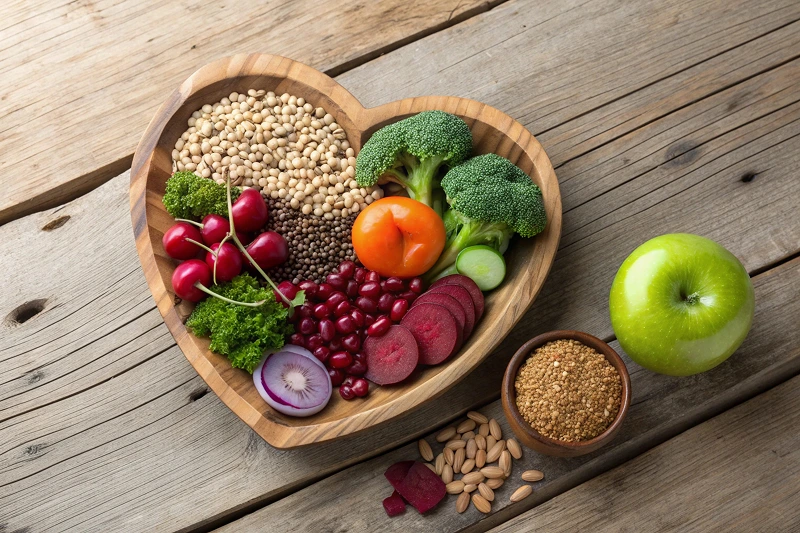
On a GLP-1 medication, fiber is no longer just a "healthy suggestion"—it is a functional necessity. Because these drugs significantly slow down gastric emptying (the speed at which food leaves your stomach), your digestive tract requires more mechanical assistance to keep waste moving.
The Direct Answer: For patients on GLP-1s, the daily fiber goal is 25 to 35 grams. However, the type of fiber and the timing of your water intake are more important than the raw number. If you hit your fiber goal without significantly increasing your hydration, you risk creating a "fiber plug" that worsens the constipation often associated with these medications.
The Science: Gastric Motility and the "Bulking" Effect
GLP-1 receptor agonists mimic a natural hormone that tells your brain you are full, partly by physically keeping food in your stomach longer. While this is great for weight loss, it can lead to decreased intestinal motility (slower movement in the bowels).
Fiber works through two primary mechanisms:
- Insoluble Fiber (The "Broom"): Found in wheat bran and vegetable skins, this fiber doesn't dissolve. It adds bulk to the stool and physically "sweeps" the colon, stimulating the muscles to contract even when the medication is trying to slow them down.
- Soluble Fiber (The "Gel"): Found in oats and psyllium, this dissolves in water to form a gel-like substance. It slows down sugar absorption (assisting the medication) and softens the stool, making it easier to pass.
Key Components: The Fiber Strategy
When your appetite is suppressed, you have to be efficient with your fiber sources to avoid "wasting" stomach space on low-nutrient fillers.
- The 10g Rule: Try to get at least 10 grams of fiber per 1,000 calories consumed. Since GLP-1 patients often eat fewer calories, you must choose fiber-dense foods like chia seeds, raspberries, and lentils.
- The Slow Ramp-Up: Do not go from 10g to 35g in one day. Rapidly increasing fiber while on a GLP-1 can cause intense gas and bloating. Increase your intake by 5 grams per week to allow your gut microbiome to adjust.
- Supplemental Support: If your appetite is so low that you can't finish a bowl of broccoli, a non-thickening fiber supplement like Methylcellulose or Guar Fiber can provide the necessary bulk without making you feel overly full.
Dietary and Lifestyle Foundations: Preventing the "Backup"
Fiber is a sponge; if there is no water to soak up, it becomes hard and difficult to move.
- The Hydration Anchor: For every 5 grams of fiber you add, drink an additional 8 oz of water. This ensures the fiber stays soft and "gelled" rather than becoming a dry mass in the colon.
- Magnesium Synergy: Many patients find that taking Magnesium Citrate or Oxide at night helps the fiber work more effectively by pulling water into the intestines.
- Movement Matters: Since the medication slows the gut chemically, you must assist it mechanically. A 15-minute walk after meals helps move the "fiber load" through the digestive tract.
Red Flags: When Fiber Isn't Enough
If you are hitting your 30g goal but experience the following, consult your provider:
- Severe Abdominal Pain: Sharp, localized pain could indicate a more serious backup or "impaction."
- Paradoxical Diarrhea: This is when liquid stool leaks around a hard mass of fiber/waste.
- Vomiting: If you feel "backed up" and cannot keep liquids down, it is a sign that gastric emptying has slowed too much.
FAQ Section
Can I get too much fiber? Yes. On a GLP-1, "excess" fiber (over 40-50g) can lead to a condition called a bezoar—a literal ball of undigested material trapped in the stomach. Stick to the 25–35g range.
Does fiber affect my medication absorption? In theory, very high doses of soluble fiber could slow down the absorption of oral medications. However, since GLP-1s are injected, fiber has zero effect on how the medication enters your bloodstream.
.webp)



Cut 15% of body weight - Lose the fat. Keep the muscle.