Managing Low Blood Pressure Risks While on GLP-1 Therapy
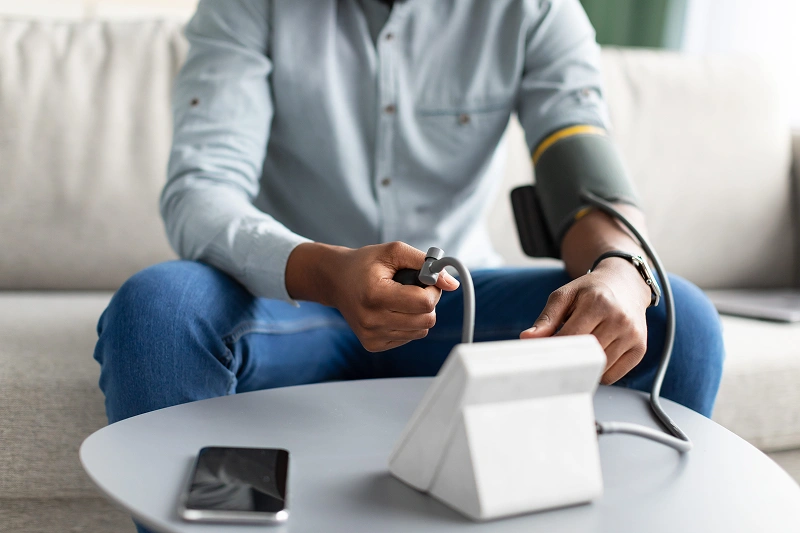
While GLP-1 medications are primarily known for managing blood sugar and weight, they have a significant and often under-discussed impact on the cardiovascular system. For many men, this results in a beneficial drop in blood pressure; however, if your pressure dips too low (hypotension), it can lead to dizziness, fatigue, and fainting.
The Direct Answer: GLP-1 therapy can lower blood pressure through two main avenues: the "sodium flush" effect (where your kidneys excrete more salt and water) and a reduction in systemic inflammation. While this is generally positive, it becomes a risk if you are already taking antihypertensive medications or if you become dehydrated. Managing this risk requires a "Salt, Water, and Scale" approach—ensuring you are replacing lost minerals while monitoring your blood pressure readings at home.
The Science: Why Blood Pressure Drops
The drop in blood pressure on a GLP-1 isn't accidental; it’s a result of how the medication interacts with your kidneys and blood vessels.
- Atrial Natriuretic Peptide (ANP): GLP-1s can stimulate the release of ANP, a hormone that tells your kidneys to dump sodium and your blood vessels to relax (vasodilation). Lower sodium and more relaxed vessels equal lower pressure.
- Reduced Sympathetic Drive: Over time, these medications can lower the "fight or flight" signals sent to your heart and vessels, leading to a calmer cardiovascular state.
- The Dehydration Factor: Because these drugs slow gastric emptying and suppress thirst, many men end up in a "volume-depleted" state. Less fluid in the pipes means less pressure against the walls of your arteries.
Key Components: The Hypotension Protocol
If you notice "orthostatic hypotension"—that head-rush or dizzy feeling when you stand up quickly—you need to implement these three safety checks:
- The "Double-Check" with Your Doctor: If you are on a diuretic (water pill) or an ACE inhibitor, the addition of a GLP-1 may make your dosage too aggressive. Many patients require a down-titration of their blood pressure meds as they lose weight.
- Salt Management: Unlike standard medical advice, men on GLP-1s often need more salt, not less. Adding a pinch of high-quality sea salt to your water provides the sodium needed to maintain blood volume.
- Positional Awareness: When moving from a lying to a standing position, do it in stages. Sit on the edge of the bed for 30 seconds before standing to allow your "baroreceptors" (pressure sensors in your neck) to adjust.
Dietary and Lifestyle Foundations: Stabilizing the System
To keep your pressure in the "Goldilocks Zone" (120/80), focus on these environmental factors:
- Compression Support: If you experience frequent dizziness during workouts, wearing compression socks can help prevent blood from "pooling" in your legs, ensuring enough reaches your brain.
- The 32-Ounce Morning Buffer: Drink 32 ounces of water with electrolytes before your first cup of coffee. Coffee is a diuretic and can exacerbate low blood pressure if your volume is already low from sleeping.
- Monitor and Log: Buy a reliable home blood pressure cuff. Take your reading at the same time every morning and keep a log. If your systolic (top number) consistently drops below 100, it’s time for a clinical consultation.
Red Flags: When Low is Too Low
Low blood pressure can go from a nuisance to a danger quickly. Seek medical attention if you experience:
- Syncope (Fainting): Any loss of consciousness, even for a few seconds.
- Cold, Clammy Skin: A sign that your body is shunting blood away from the skin to protect vital organs.
- Blurred Vision or Confusion: Indicating that the brain is not receiving adequate oxygenated blood.
FAQ Section
Will my blood pressure go back up if I stop the medication? Partially. While the immediate "sodium flush" effect will stop, the blood pressure improvements gained from losing visceral fat are often permanent—provided you maintain your new weight.
Can I use caffeine to raise my blood pressure? While caffeine causes a temporary spike, it is a diuretic. Using it to "fix" low blood pressure often backfires by causing more fluid loss, making the problem worse a few hours later.
.webp)



Cut 15% of body weight - Lose the fat. Keep the muscle.